© 2026 nimisham.in
Just days after England captain Joe Root attributed his frequent LBW dismissals in recent times to, what he described as, the changed nature of the Dukes ball, the manufacturer said the red cherry...
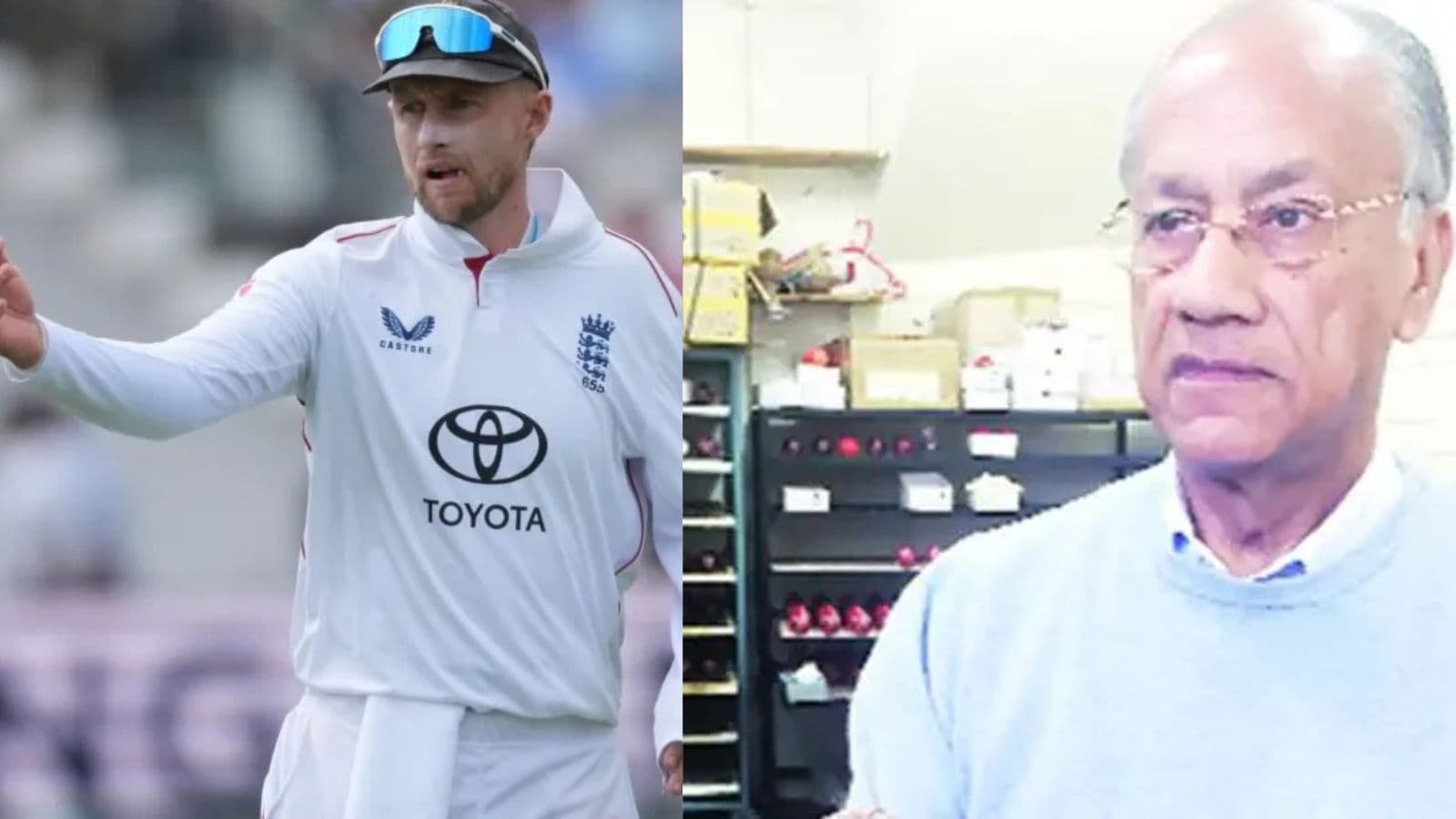
Just days after England captain Joe Root attributed his frequent LBW dismissals in recent times to, what he described as, the changed nature of the Dukes ball, the manufacturer said the red cherry was being manufactured in the same way it has always been.
Root was speaking after the second Test against Pakistan at Lord’s, a game where seamers managed to get a lot of assistance.
“I think there’s a different lacquer to them. I’ve not got evidence on that. They don’t want them to go out of shape and get them changed,” Root said.
But Dilip Jajodia, owner of British Cricket Balls Ltd that produces the Dukes ball, was having none of it.
“That’s nonsense,” Jajodia told The Indian Express emphatically. “There’s nothing different with the balls,” while adding that it was unrealistic to expect every cricket ball to behave the same way.
“Cricket balls are not like an engineering product made out of metal. This is made out of natural raw materials. There is always variation in natural raw materials.”
The hides used to make the Dukes ball are extracted from a breed of cattle called Aberdeen Angus reared in Scotland. They are then tanned in the Scottish town of Chesterfield. The raw material is sent to their units in India and Pakistan for stitching, and brought back to England for finishing touches at their factory in Walthamstow.
“It’s hand-made by a human being. There will always be slight variations from one batch to another. Even one individual ball can be different to another,” Jajodia said, adding that they just cannot be like machine-made balls. But the process remains the same.
If the ball is considered too hard this year, it was the opposite last English summer when runs were flowing during the series against India. The complaint then was that the balls were too soft and going out of shape quickly.
“If I made a really hard ball, it would have broken bats…,” Jajodia had told this publication at the time. Ironically enough, almost a year later, that is what Root grumbled about.
“As a batter, when you practise, they’re cracking your bats more frequently,” the second-highest scorer in Test history said.
Root also talked about the dents made by the harder balls on the pitches, but the manufacturer dismissed the complaint saying “That’s been going on for donkey’s years. This is not a new phenomenon.”
The weather has also played a big role in batsmen struggling during the series against Pakistan.
When New Zealand played the three-match Test series in June, it was shaping up to be one of the hottest summers. But the ongoing series has seen frequent rain interruptions at Headingley and Lord’s.
“We’ve had the driest summer in a long time in England. And then suddenly we had rain. So within two Test matches, there were totally different conditions,” Jajodia observed.
“The conditions are variable but my job is to be as consistent as possible with the difficulty of the nature of the product.”
Stay updated with the latest sports news across Cricket, Football, Chess, and more. Catch all the action with real-time live cricket score updates and in-depth coverage of ongoing matches.