© 2026 nimisham.in
Indian cooking and ginger almost go hand in hand. From adrak wali chai to the temping curries, it is definitely a desi diet staple
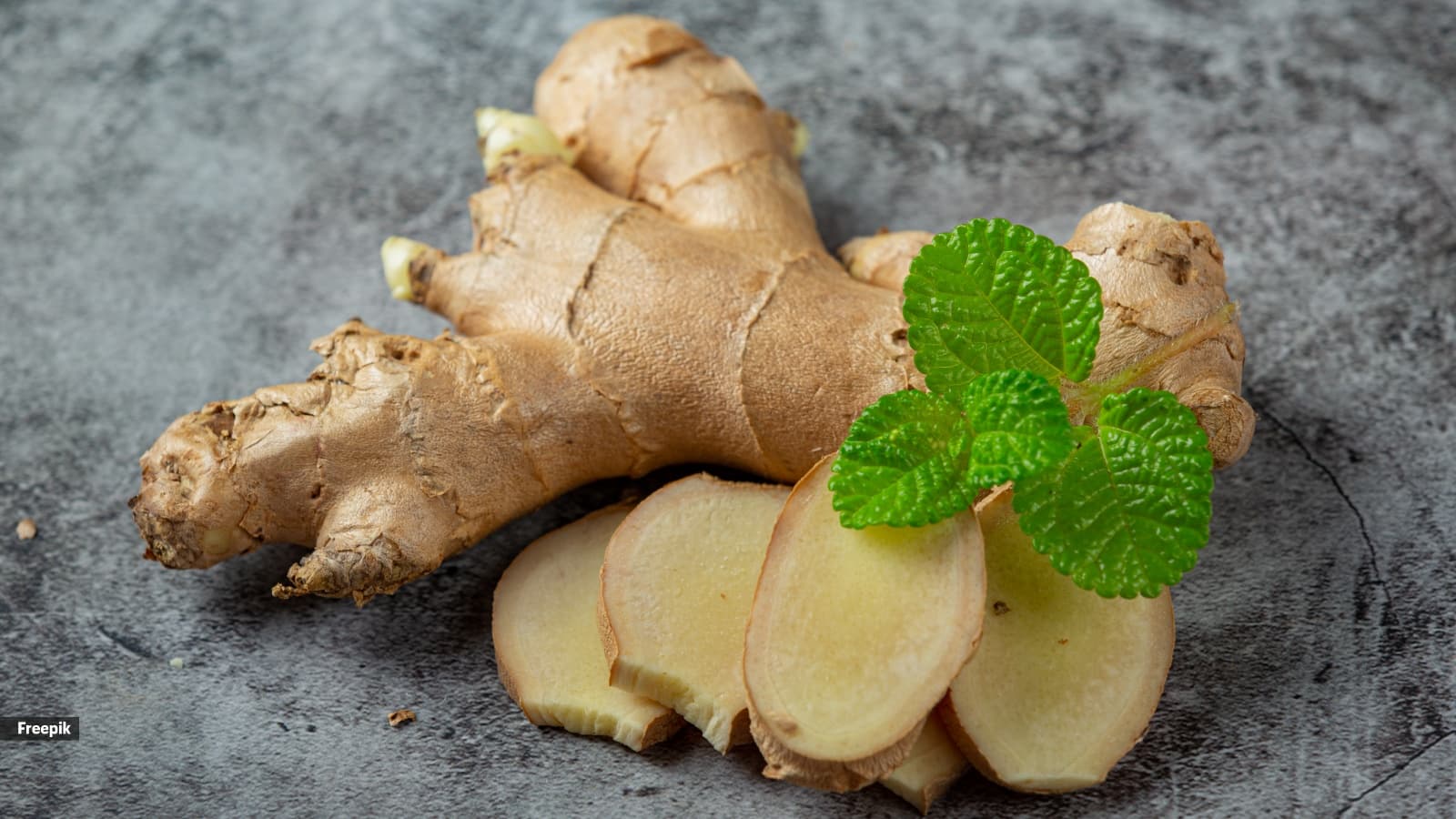
Indian cooking and ginger almost go hand in hand. From ‘adrak wali chai’ to the temping curries, it is definitely a desi diet staple. But did you know some people are actually allergic to it?
According to Dr Aarti Ullal, Physician and Diabetologist, Gleneagles Hospital, Parel, a ginger allergy is uncommon but real, and it is very different from simply finding the spice too strong or experiencing an upset stomach after eating it.
“A ginger allergy means your immune system wrongly sees ginger as harmful and reacts to it. It’s different from just not liking the spicy taste. Both raw and cooked ginger can trigger it,” she tells indianexpress.com.
DISCLAIMER: This article is based on information from the public domain and/or the experts we spoke to. Always consult your health practitioner before starting any routine.
Since ginger is often consumed to soothe digestive problems, it can be easy to mistake an allergic reaction for indigestion. However, the symptoms are quite different.
“Allergy signs show up fast — within minutes to 2 hours. You may get itching, hives, swelling of lips/tongue, runny nose, wheezing, vomiting, or rashes. Digestive discomfort like gas or heartburn usually stays in the stomach and isn’t an immune reaction,” explains Dr Ullal.
Like any other food allergy, some peopel tend to be more suspectible to it. According to Dr Ullal, people who already have other food allergies, pollen allergies or sensitive skin conditions such as eczema have a higher risk. If you’ve reacted to spices in the same plant family before, you should also be cautious.
“Anyone who’s had a reaction before should avoid it,” she advises.
“Yes, in rare cases it can cause anaphylaxis — trouble breathing, throat swelling, dizziness, or drop in blood pressure. That’s an emergency. Call an ambulance or go to ER immediately if breathing problems or swelling starts,” warns Dr Ullal.
If you think ginger is causing an allergic reaction, don’t self-test by eating it. “A doctor will take your history and may do a skin prick test or blood test for IgE antibodies.”
Interestingly, if you have ginger allergy, you might also be allergic to other spices from Zingiberaceae family such as turmeric and galangal, so some people may react to these as well. “Cardamom is from a different family so it’s usually safe. Still, check with your allergist before trying them,” she says.
Because ginger is commonly used in Indian kitchens, avoiding it can take extra care.
For those looking for substitutes, “black pepper, cumin, or asafoetida” can be used for flavour, “but check tolerance first,” says Dr Ullal.
While a ginger allergy is rare, recognising the warning signs and seeking timely medical advice can help prevent potentially serious complications.